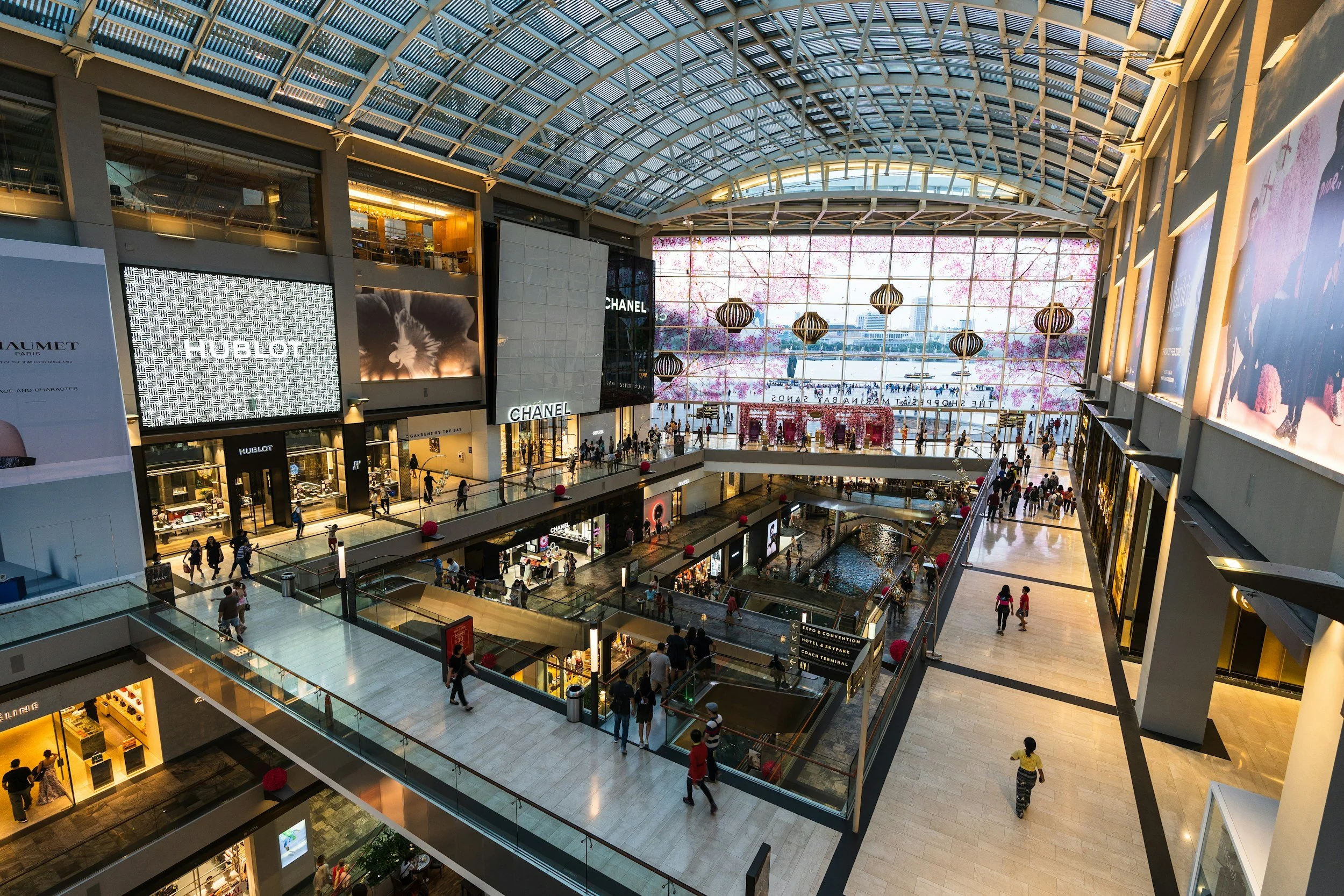
Commercial Property Insurance
Coverage for commercial buildings, business property, and properties under construction
Commercial property insurance can help protect the physical property associated with a business or commercial real-estate investment. The appropriate coverage depends on how the property is owned, occupied, used, and maintained, as well as the property values and other characteristics of the risk.
I work with a broad network of insurance carriers to help business owners, property owners, landlords, and other commercial clients explore coverage options appropriate to their circumstances.
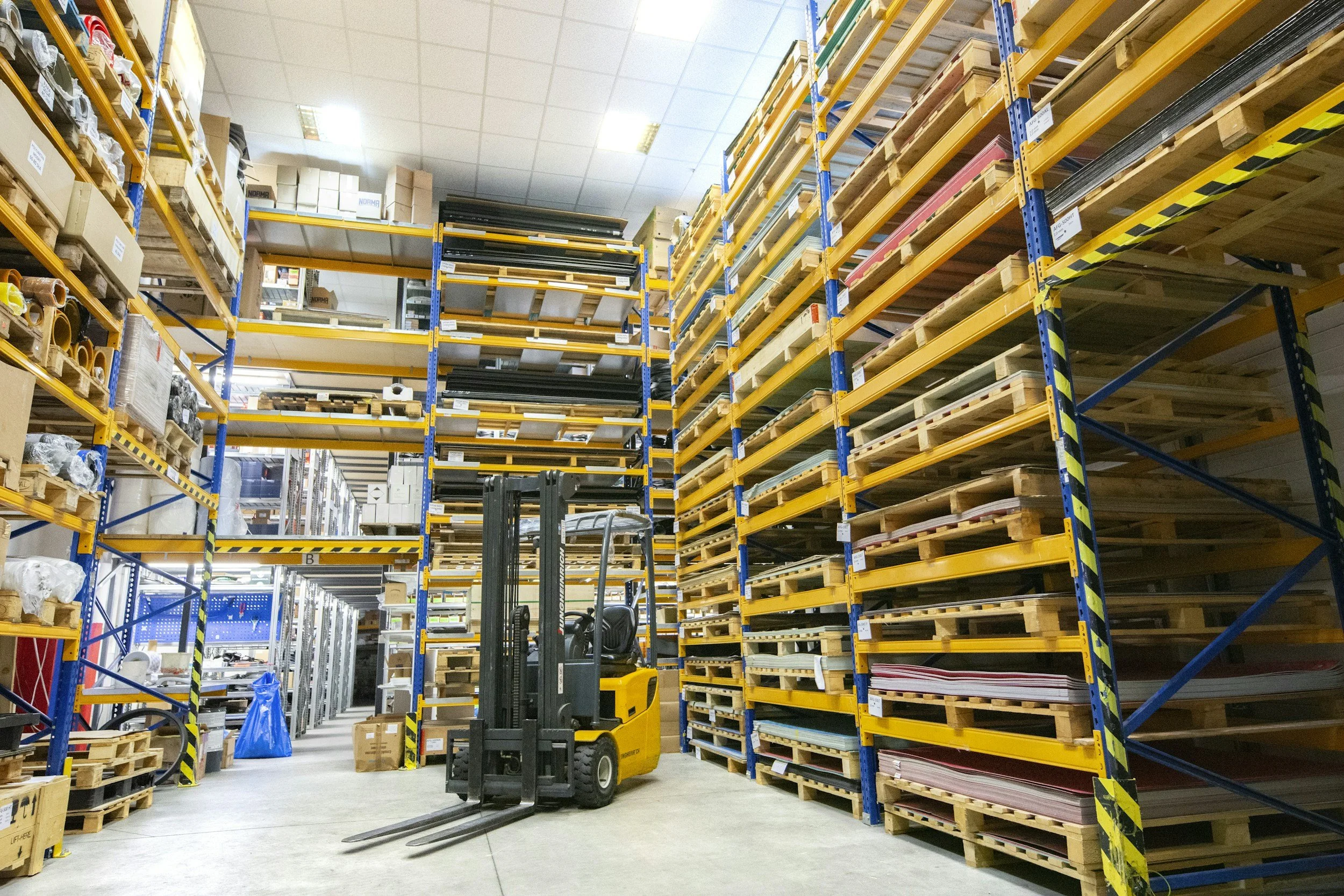
Commercial Property Insurance
Commercial property insurance may help protect eligible buildings and other physical property used in commercial operations.
Coverage needs can vary considerably depending on whether you own the building where your business operates, lease commercial space, or own commercial real estate that is occupied by tenants.
What can commercial property insurance address?
Depending on the property, policy, and available coverage, commercial property insurance may address exposures involving:
Commercial buildings and structures
Business personal property
Furniture, fixtures, and equipment
Inventory and other business property
Property owned by a commercial landlord
Tenant improvements and betterments
Other eligible property associated with business operations
The appropriate coverage and limits depend on the specific property and circumstances.
A wide range of commercial properties
Commercial property insurance can apply to many different types of commercial properties and businesses. Depending on carrier eligibility, available programs may include properties associated with:
Retail and grocery businesses
Restaurants and food-service operations
Offices and professional services
Healthcare facilities
Fitness and personal-service businesses
Hospitality and mixed-use properties
Multifamily and residential-income properties
Warehouses and other commercial facilities
Other eligible commercial occupancies
Different businesses and tenant operations can present different underwriting considerations, so the available coverage depends on the individual risk.
Commercial property for landlords
If you own commercial real estate and lease it to tenants, your insurance needs may differ from those of a business operating its own facility.
Commercial landlord programs can be designed around the building and the exposures associated with leasing the property to tenants. Depending on the property and program, coverage may be available for a range of tenant types and commercial real-estate situations.
If you own commercial property that is leased to a business, I can help you explore available options based on the property, tenant occupancy, and other relevant characteristics.
Commercial Property Insurance available in*:
California
Texas
Washington
Carriers I offer coverage with:





Vacant Commercial Property Insurance
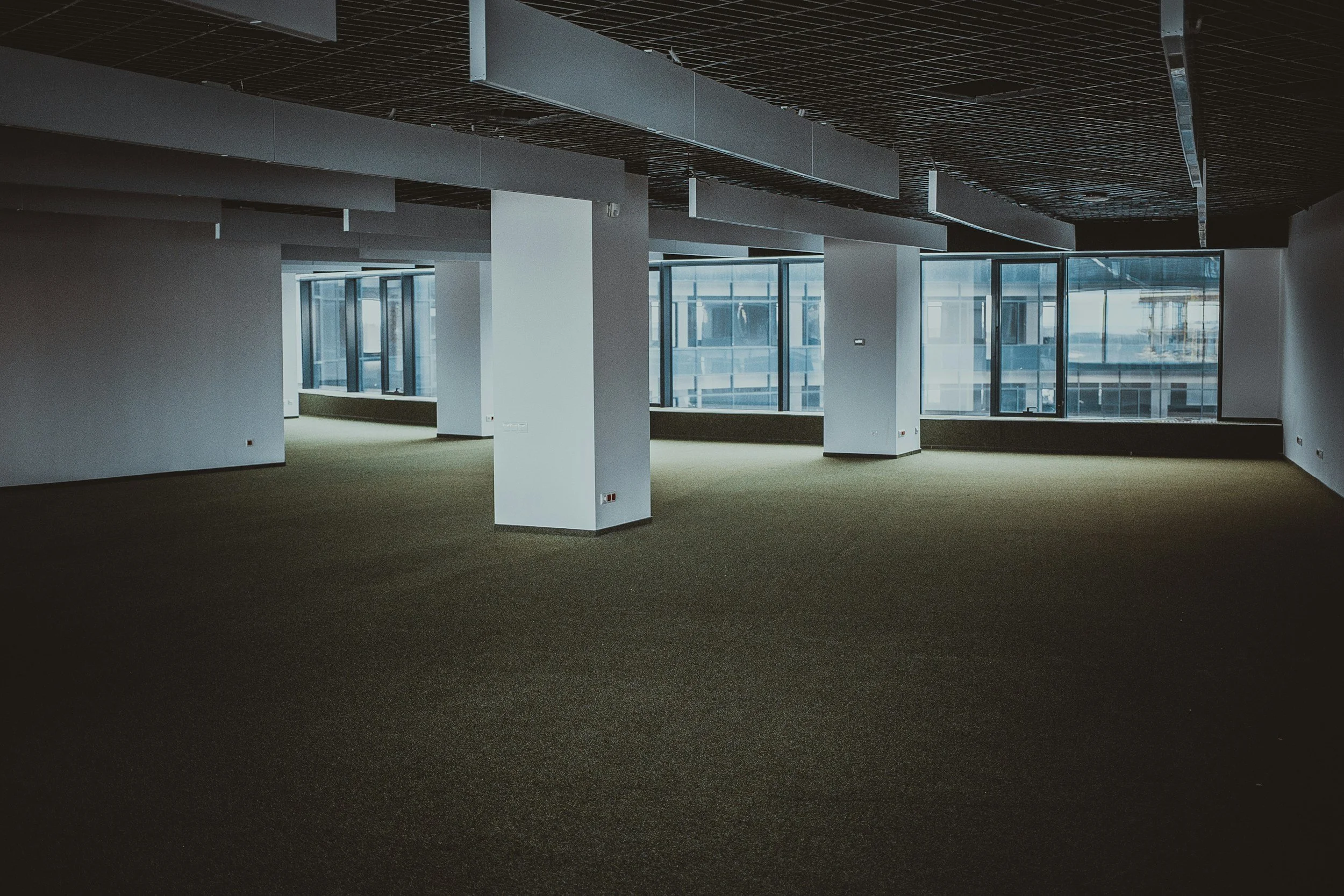
A commercial property that is vacant or unoccupied can present different insurance considerations from an actively occupied property.
Standard commercial property coverage may have restrictions or limitations relating to vacancy, depending on the policy. Specialized vacant-property coverage may be available for eligible properties that are temporarily or otherwise unoccupied.
When might vacant-property coverage be relevant?
Examples can include a commercial property that is:
Between tenants
Being prepared for a new tenant
Listed for sale
Newly purchased but not yet occupied
Undergoing renovation or improvements
Temporarily unoccupied
Otherwise vacant for an extended period
The definition of vacancy and the effect it has on coverage can vary by policy, so it is important to discuss the property’s actual circumstances when evaluating coverage.
Condo Insurance available in*:
California
Texas
Washington
Carriers I offer coverage with:

Builder’s Risk Insurance
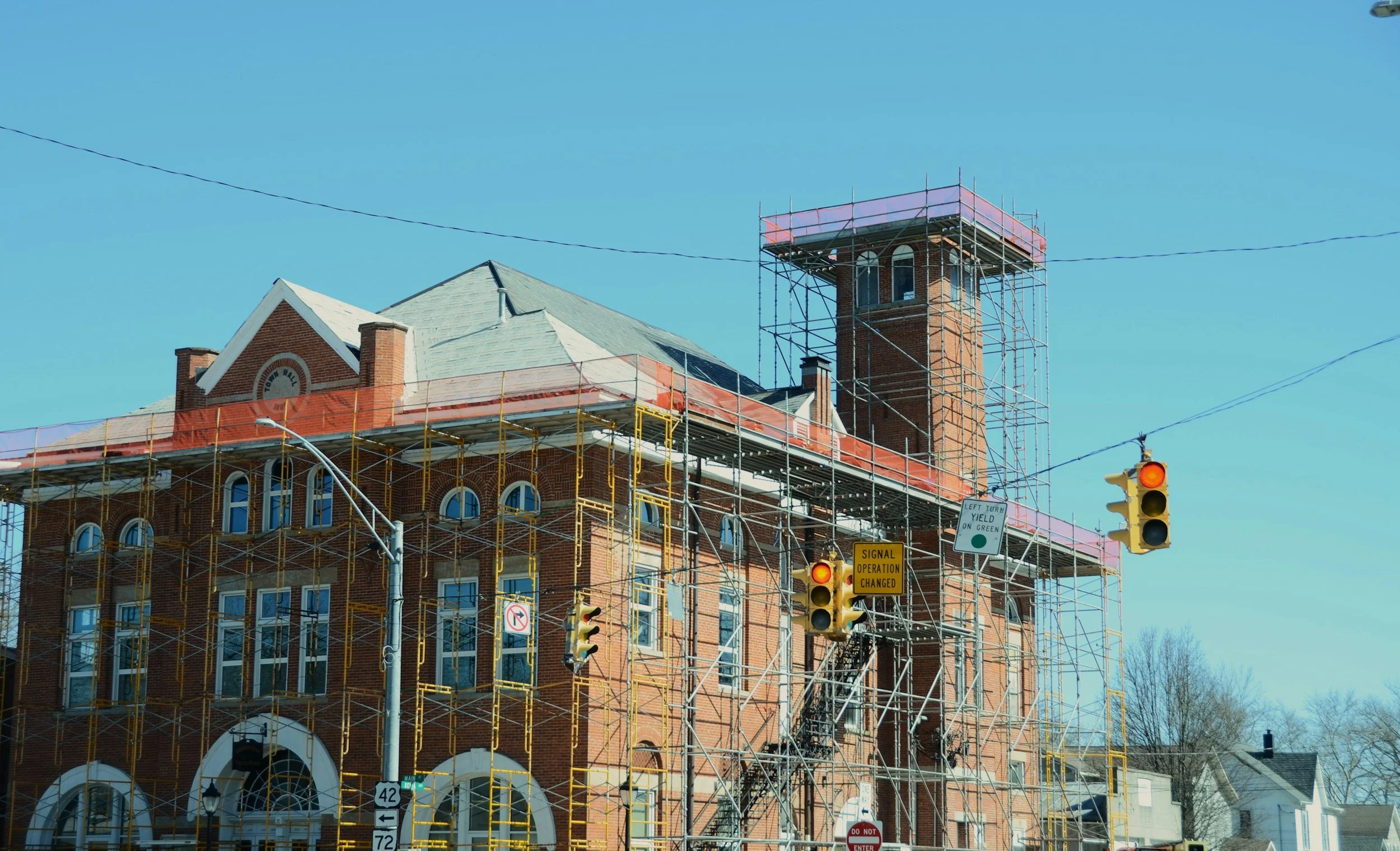
Construction and major renovation projects can create property exposures that differ from those of a completed commercial building.
Builder’s risk insurance, also known as course of construction coverage, is designed for eligible property during the course of construction or certain renovation projects. Depending on the policy and project, coverage may address the building under construction and other eligible property associated with the project.
Builder’s risk may be relevant for:
New commercial construction
Commercial building additions
Major renovations or remodeling
Other eligible construction projects
Coverage depends on the project, construction characteristics, policy terms, and carrier eligibility. If you are planning a construction or renovation project, I can help you explore whether builder’s risk coverage may be appropriate.
What if my general contractor already carries builder’s risk insurance?
Some general contractors offer to include builder’s risk insurance as part of the project. While this can be convenient, it’s important to understand what the contractor’s policy actually covers, and whose interests it is designed to protect.
A contractor’s builder’s risk policy may be primarily structured around the contractor’s work and interests, rather than the property owner’s broader investment in the project. Your GC should also carry their own insurance for their business and operations regardless of who purchases builder’s risk.
For that reason, property owners may want to consider their own builder’s risk coverage, particularly when protecting an existing structure or significant investment. The right approach depends on the project, the contractor’s coverage, and the terms of your construction agreement.
If your GC has offered to provide builder’s risk, I can help you review the arrangement and determine whether additional coverage may be appropriate for your interests.
Builder’s Risk Insurance available in*:
California
Texas
Washington
Carriers I offer coverage with:
Commercial Property Considerations
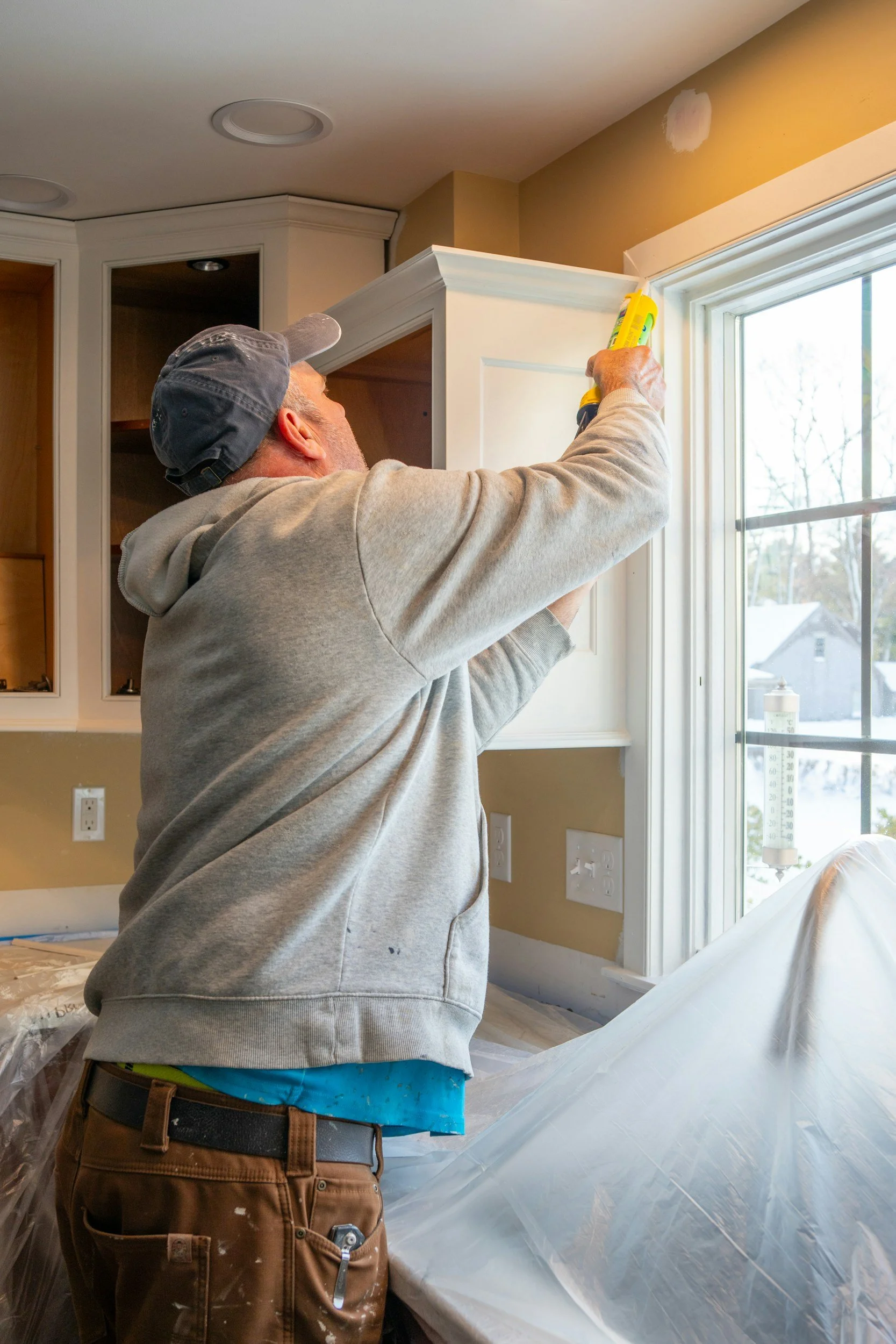
Commercial property insurance is not one-size-fits-all.
Before determining what coverage may be appropriate, it can be important to consider factors such as:
Property use and occupancy
A retail storefront, restaurant, medical office, warehouse, apartment building, and mixed-use property can present very different insurance considerations.
Ownership
Your needs may differ depending on whether you own and occupy the building, lease the space for your own business, or own the property as a commercial landlord.
Building characteristics
Construction, age, size, location, condition, and other characteristics of the building can affect available coverage and eligibility.
Property values
Building values, business personal property, equipment, inventory, and other insured property should be evaluated when determining appropriate limits.
Tenant operations
For commercial landlords, the type of business operating in the building can be an important underwriting consideration.
Vacancy and construction
Properties that are vacant, undergoing renovation, or under construction may require different coverage from an occupied and completed commercial property.


Typical Exclusions & Additional Coverage Considerations
Commercial property policies contain exclusions, limitations, conditions, and deductibles that vary by policy and carrier.
Common considerations can include:
Normal wear and tear, deterioration, and maintenance issues
Certain causes of water or flood damage
Earthquake and earth movement
Certain types of equipment breakdown
Losses outside the covered causes of loss
Vacancy-related restrictions or limitations
Other exclusions specific to the policy or property
Flood and earthquake damage may require separate coverage depending on the property, location, and circumstances.
The specific exclusions and limitations applicable to your property will depend on the policy. I can help you review the available options and identify questions to consider when evaluating coverage.

Do you also need business liability coverage?
Property insurance addresses physical property exposures, but many businesses also need protection for liability risks arising from their operations.
Depending on the business and circumstances, property and liability coverage may be available together through a Business Owner’s Policy (BOP) or through separate policies.
If you are a small-business owner looking for both property and liability protection, you may want to explore Business Owner’s Policies.
You can also learn more about General Liability Insurance for broader business liability exposures.
Need help protecting your commercial property?
Commercial property insurance needs can vary considerably depending on the building, business operations, occupancy, property values, and how the property is being used.
Whether you own a commercial building, operate your business from a commercial property, lease property to tenants, have a vacant building, or are planning a construction or renovation project, I can help you explore available coverage options.
At this link, please select Commercial Property under the Commercial category when submitting your quote request.
*Licensing does not guarantee that every insurance product or carrier is available in every state. Carrier appointments, underwriting requirements, product availability, and eligibility vary by state and by individual risk.
If I am not currently licensed to offer the insurance solution(s) you are seeking in your state, I may be able to obtain the necessary licensing or connect you with a licensed professional who can assist you.