
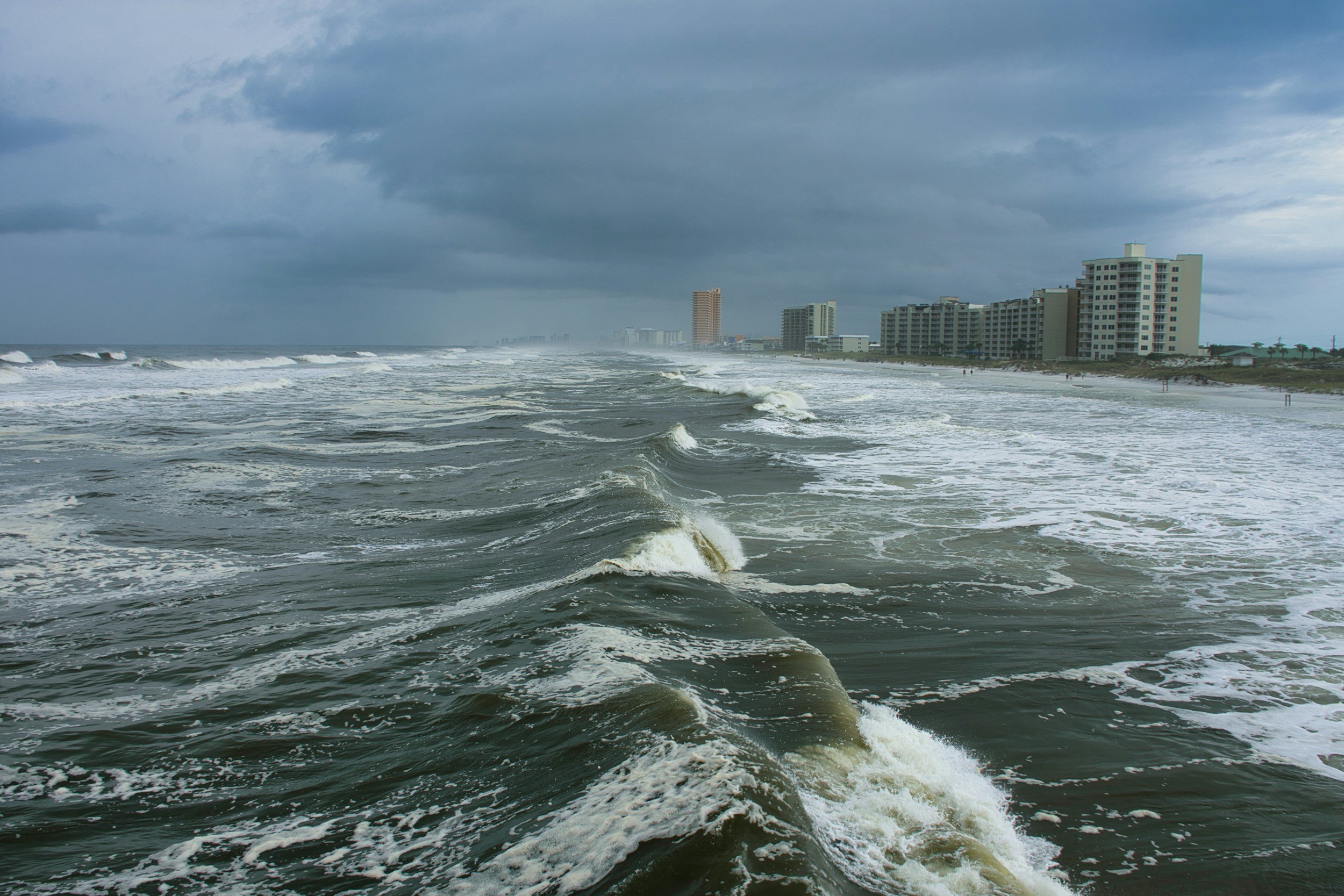
Flood Insurance
Flooding can cause significant damage to a home and the belongings inside it, yet flood damage is generally not covered by a standard homeowners, condo, or renters policy.
Flood insurance can provide a separate layer of protection for certain flood-related losses, subject to the policy’s terms, conditions, exclusions, deductibles, and limits.
Flood risk isn’t limited to properties that are officially designated as high-risk flood zones. Heavy rainfall, storms, drainage problems, rising water, and other events can cause flooding in areas that may not appear obviously vulnerable.
I can help you evaluate the flood coverage options available for your property and determine what approach makes sense for your situation.
What is considered a flood?
Flood insurance uses a specific definition of flood, which is important because not every type of water damage qualifies.
Generally, flood involves water affecting normally dry land through circumstances such as:
Overflow of inland or tidal waters
Unusual or rapid accumulation of surface water
Mudflow
Certain related water conditions affecting multiple properties or areas
Other types of water damage, such as certain plumbing leaks, sewer backups, or water entering through a damaged roof, may be treated differently under your homeowners, condo, or other property policy.
Understanding where flood coverage begins and your other insurance ends is an important part of building the right coverage.
Does my current residential insurance cover flooding?
Generally, no.
Homeowners insurance, condo insurance, and renters insurance generally exclude flood damage. Having one of these policies therefore doesn't necessarily mean you're protected against a flood.
A separate flood insurance policy may provide coverage for qualifying flood losses.
What can flood insurance cover?
Coverage varies depending on the type of flood policy and the coverage selected, but flood insurance can potentially provide protection for:
The building Certain covered structural components of the insured property.
Personal property Certain belongings damaged by a covered flood.
Additional living expenses Depending on the policy, some private flood products may provide coverage for qualifying additional living expenses.
Other property and coverage options Depending on the policy, additional protection may be available.
The details can vary substantially between flood programs, so I’ll help you understand what each option actually covers rather than treating every flood policy as interchangeable.
What are my flood insurance options?
There isn’t necessarily one flood insurance solution for every property.
Depending on your circumstances, I may be able to help you consider three different approaches:
National Flood Insurance Program (NFIP)
The National Flood Insurance Program provides federally backed flood insurance through participating insurers and agents.
NFIP coverage can be an important option for homeowners, condominium owners, and renters who need primary flood protection, particularly when private-market coverage isn’t appropriate or when specific NFIP features are important to the client.
Private Flood Insurance
Private flood insurance is offered by private insurers and can provide an alternative to an NFIP policy.
Depending on the insurer and property, private flood coverage may offer different limits, deductibles, coverage options, or policy features than an NFIP policy.
For some properties and clients, private flood insurance may provide a better fit.
Excess Flood Insurance
If your primary flood policy doesn't provide enough coverage for the value you’re trying to protect, excess flood insurance may provide additional limits above an underlying flood policy, subject to the specific policy requirements.
Excess flood is not a substitute for primary flood insurance. It is generally designed to add additional protection when the underlying flood limit isn’t enough.
Do I need flood insurance if I’m not in a high-risk flood zone?
Flood risk isn’t necessarily limited to properties located in the areas people traditionally associate with flooding.
Flooding can result from:
Heavy rainfall
Storms
Overflowing rivers or streams
Coastal flooding
Rapid surface-water accumulation
Drainage problems
Other sources of rising or accumulating water
Even properties outside designated high-risk areas can experience flooding. Your property’s flood zone can be an important factor in determining your risk and insurance options, but a low-risk designation doesn’t mean zero risk.
I applied for a mortgage, and my bank is requiring me to buy flood insurance. Are they allowed to do this?
If you’re financing a property, your lender may require you to carry flood insurance as a condition of your mortgage.
For properties located in a Special Flood Hazard Area (SFHA) where federally-available flood insurance is required, federally-regulated lenders generally require flood insurance before closing on the loan. Flood insurance may be available through the National Flood Insurance Program (NFIP) or through private insurers.
Even if your property isn’t located in an SFHA, your lender may still require flood insurance as part of your mortgage agreement. In that situation, the requirement is a matter of the contract between you and your lender.
I can help you review the flood insurance requirements provided by your lender and explore available NFIP, private flood, or excess flood options that may satisfy those requirements while also considering your broader coverage needs.
What isn’t covered?
Flood insurance has important exclusions, limitations, and conditions.
Depending on the policy, coverage may not apply to:
Certain types of water damage that don’t meet the policy’s definition of flood
Land, landscaping, and certain outdoor property
Certain below-ground property
Normal wear and tear or deterioration
Certain moisture, mold, or mildew conditions
Certain temporary or alternative living expenses
Other property or losses specifically excluded by the policy
Coverage can also differ substantially between NFIP and private flood policies.
I'll help you understand the important limitations before you choose your coverage.
What can I do?
Flood insurance can be surprisingly nuanced, particularly when comparing NFIP and private-market options.
I can help you review your property’s location and characteristics, existing insurance, lender requirements, belongings, desired limits, and tolerance for a flood loss.
Depending on your situation, I can help you explore NFIP, private flood, and excess flood coverage rather than assuming that one type of policy is appropriate for everyone.
Together, we can build a flood insurance strategy around the property and the level of risk you’re actually looking to protect.
Don’t wait for the water to rise before thinking about flood coverage.
Let’s review your property, your existing insurance, and the flood coverage options available to you.
At this link, please select Flood under the Personal category when submitting your quote request.
Carriers I offer coverage with:




Flood insurance available in*:
California
Texas
Washington
*Licensing does not guarantee that every insurance product or carrier is available in every state. Carrier appointments, underwriting requirements, product availability, and eligibility vary by state and by individual risk.
If I am not currently licensed to offer the insurance solution(s) you are seeking in your state, I may be able to obtain the necessary licensing or connect you with a licensed professional who can assist you.