Vacant Property Insurance
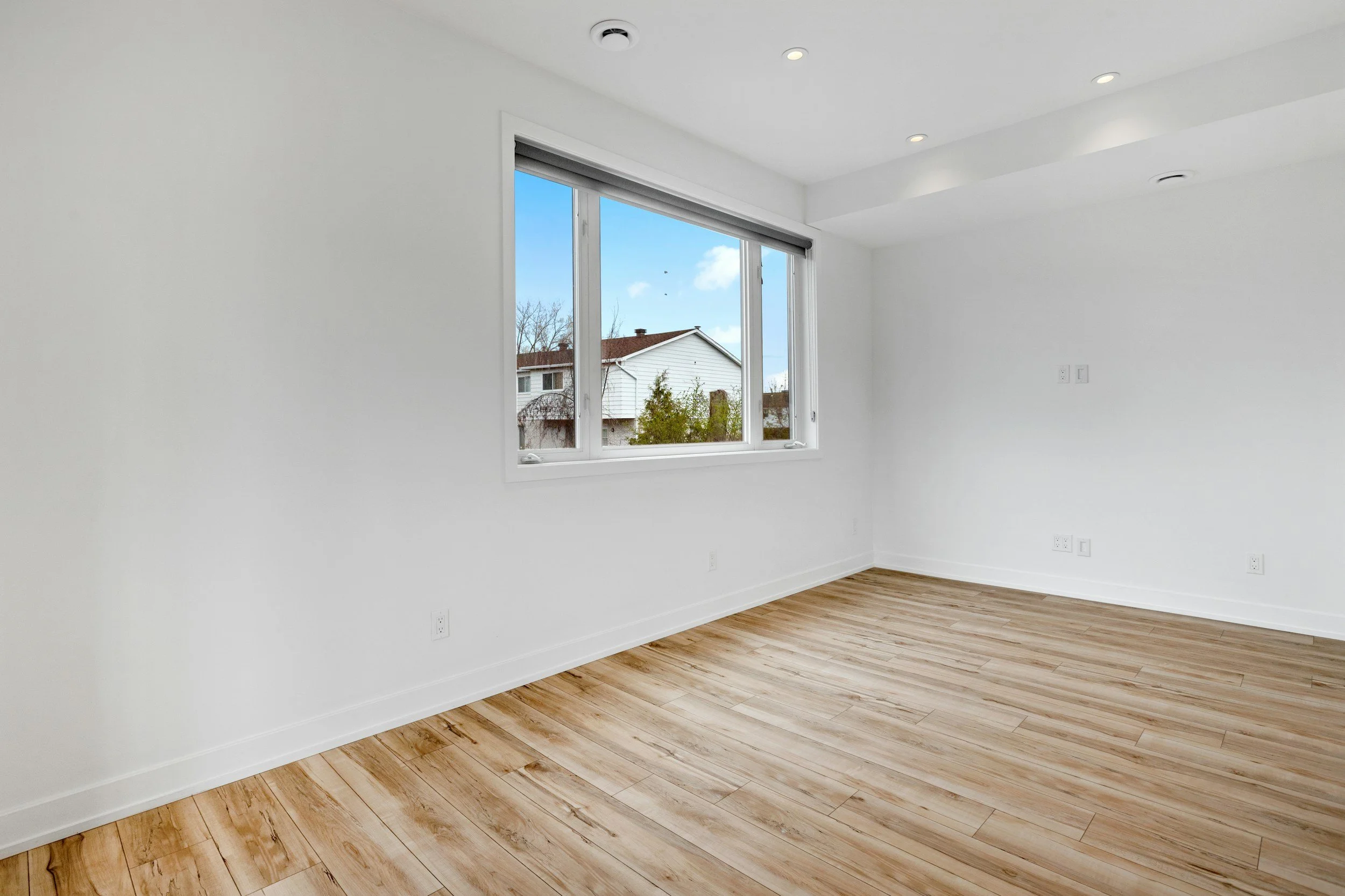
A property doesn’t stop being an asset just because it’s temporarily empty.
Whether you’re between tenants, renovating a property, preparing it for sale, or holding it as an investment, a vacant property can present different insurance considerations from an occupied home.
Vacant property insurance can provide specialized protection for properties that are unoccupied for an extended period, subject to the policy's eligibility requirements, terms, conditions, and exclusions.
Why does vacancy matter?
Insurance policies are generally designed around how a property is actually being used and occupied.
When a property is vacant, there may be fewer people present to notice problems such as:
Water leaks
Fire or smoke
Electrical issues
Vandalism
Theft or attempted theft
Property damage
Other conditions that can worsen before they’re discovered
Vacant properties can also face additional risks associated with maintenance, construction, weather, or unauthorized entry. That’s why it’s important to tell your insurance professional when a property becomes vacant rather than assuming your existing policy will continue to provide the same coverage.
What can vacant property insurance cover?
Coverage varies considerably depending on the insurer, property, and circumstances, but a vacant property policy may provide protection for:
The building Coverage for the physical structure against covered causes of loss.
Other structures Certain detached structures or other covered property associated with the premises.
Landlord-owned property Where applicable, certain furnishings, appliances, or other property may be covered.
Liability Depending on the policy, protection may be available for certain covered liability exposures.
Vandalism and malicious mischief Some vacant-property policies may provide coverage for risks that require special consideration during vacancy.
Additional coverage options Depending on the property and insurer, additional protection may be available.
Coverage is highly dependent on the property's circumstances and the specific policy, so I’ll help you understand what is actually being offered rather than assuming every vacant-property policy provides the same protection.
Can I just keep my homeowners or landlord policy?
Maybe, but don’t assume so.
Many insurance policies contain specific provisions relating to vacancy. Depending on the policy, extended vacancy can affect coverage, exclusions, eligibility, or the conditions under which a claim would be covered.
If you know your property will be vacant, it’s important to notify your insurance professional and discuss the situation before the property becomes vacant whenever possible.
What if I'm renovating the property?
A property undergoing substantial renovation can present a different set of insurance considerations from an ordinary vacant property.
For example, there may be:
Contractors working at the property
Construction materials and equipment
Structural alterations
Increased fire or water damage exposure
Scaffolding or temporary structures
Unoccupied portions of the property
Increased liability exposure
For larger renovations or construction projects, Builders Risk insurance may also be appropriate. Builders risk can provide coverage for certain property and materials involved in a construction or renovation project while the work is underway, subject to the specific policy's terms, conditions, exclusions, and eligibility requirements.
The appropriate insurance depends on the scope and stage of the work, who is performing it, what is being constructed or renovated, and how the property will be used during the project.
If you’re planning a significant renovation, let’s discuss the project before work begins so we can determine what type of coverage may be appropriate.
What isn’t covered?
Vacant-property policies can have important exclusions, limitations, and conditions.
Depending on the policy, coverage may be affected by circumstances such as:
The length of time the property remains vacant
Unreported changes in occupancy or use
Ongoing construction or renovation
Certain types of water damage
Flood
Earthquake
Normal wear and tear or deterioration
Maintenance-related problems
Certain losses involving utilities, heating, or plumbing
I’ll help you identify important limitations and determine whether separate or additional coverage may be appropriate.
Is vacant property insurance right for you?
This coverage may be worth considering if you own a property that is currently vacant or will soon become vacant for an extended period.
It may be relevant if you:
Are a property owner between tenants
Are a landlord preparing for a new tenant
Are an owner renovating or remodeling
Are an investment-property owner
Are preparing a property for sale
Recently inherited properties
Have properties awaiting redevelopment
Have other residential properties that are temporarily unoccupied
What can I do?
Vacant-property insurance is particularly dependent on the details of the property and why it is vacant.
I can help you review the property's condition, occupancy status, intended use, expected vacancy period, renovation plans, and other factors that may affect eligibility and coverage.
Together, we can look for an insurance solution that appropriately protects your property during this period of transition.
Don’t leave an empty property without a plan.
Let's talk about why your property is vacant, how long you expect it to remain vacant, and what coverage may be appropriate for the situation.
At this link, please select Property under the Personal category when submitting your quote request.
Vacant property insurance available in*:
California
Texas
*Licensing does not guarantee that every insurance product or carrier is available in every state. Carrier appointments, underwriting requirements, product availability, and eligibility vary by state and by individual risk.
If I am not currently licensed to offer the insurance solution(s) you are seeking in your state, I may be able to obtain the necessary licensing or connect you with a licensed professional who can assist you.
Carriers I offer coverage with: