

Insurance solutions for
Retail & Consumer Services
For businesses that serve customers every day
Your business can face a wide range of property, liability, employee, vehicle, and financial risks. The insurance considerations for a retail business can vary depending on what you sell or provide, where you operate, what property you own or lease, whether you have employees, and how customers interact with your business. You may also have insurance requirements imposed by third parties, such as landlords, property managers, and lenders.
I can work with your budget and the insurance requirements provided to you to help identify coverage options that address those requirements while also providing appropriate protection for your business property, assets, employees, customers, and the people who make your business possible.
Let’s work together to explore the coverage that makes sense for your retail operations.

Business Owner’s Policy (BOP)
A Business Owner's Policy can provide several important coverages in one policy and is often a starting point for small businesses.
A BOP can provide:
Commercial property coverage for buildings, equipment, inventory, furniture, and other business property, depending on the policy
General liability coverage for certain claims involving bodily injury, property damage, and other covered liabilities
Business income coverage that may help replace lost income following a covered loss that temporarily interrupts business operations
A landlord, property management company, franchisor, lender, or other interested party may also have specific insurance requirements that must be satisfied before a lease, financing arrangement, franchise agreement, or other business relationship is finalized.

Builder’s Risk Insurance
Also known as Course of Construction Coverage, Builder’s Risk Insurance can be relevant when a business owner is constructing a new commercial space, building an addition, or undertaking a major renovation or remodeling project.
Builder’s risk coverage can protect certain property and materials during the course of construction. For a business owner making a significant investment in a property or build-out, obtaining appropriate coverage can provide an additional layer of protection beyond the builder’s risk policy carried by the general contractor.
Coverage depends on the project, ownership interests, construction contract, and policy terms.

Commercial Umbrella
A Commercial Umbrella Policy can provide additional liability limits above certain underlying business insurance policies.
For businesses with substantial customer traffic, significant operations, valuable assets, or other elevated liability exposures, an umbrella policy can provide additional protection when a covered claim exceeds the limits of an underlying policy, subject to the umbrella policy’s terms and conditions.

Workers’ Compensation
Workers’ Compensation Insurance provides benefits to employees who suffer covered work-related injuries or illnesses.
Retail and consumer-service businesses may have employees working in stores, warehouses, kitchens, salons, fitness facilities, repair shops, or other environments where workplace injuries can occur.
Workers’ compensation requirements vary by state. In California, employers are generally required to carry workers' compensation insurance when they have one or more employees, subject to applicable exceptions.


Life Insurance
Life insurance can play a role in both business continuity and employee benefits.
Key Person Life Insurance
A company-owned life insurance policy can potentially be structured to help protect a business against the financial consequences of the death of a key employee, executive, owner, or partner.
The business may use the proceeds to help address expenses, lost revenue, recruiting or replacement costs, debt obligations, or other financial challenges associated with the loss of an important person.
Life Insurance for Business Financing
Some business loans, including certain SBA-financed transactions, may require life insurance on an owner or other individual, sometimes with an assignment of the policy’s death benefit as collateral for the loan.
If life insurance is part of your financing requirements, it is important to determine the lender’s requirements early in the process.
Employee Benefits
Group life insurance can also be offered as a voluntary or employer-sponsored benefit, depending on the employer’s needs and available plan options.

Disability Income, Critical Injury, and Accident Insurance
As with life insurance, these coverages can also play a role in both business continuity and employee benefits.
Key Person Disability Insurance
A company-owned disability policy can potentially be structured to help protect a business against certain financial losses associated with the disability of a key employee, executive, owner, or partner.
Employee Benefits
Group critical illness and accident insurance can both also be offered as employee benefits, depending on the employer’s objectives and available plan options.
Commercial Auto Insurance
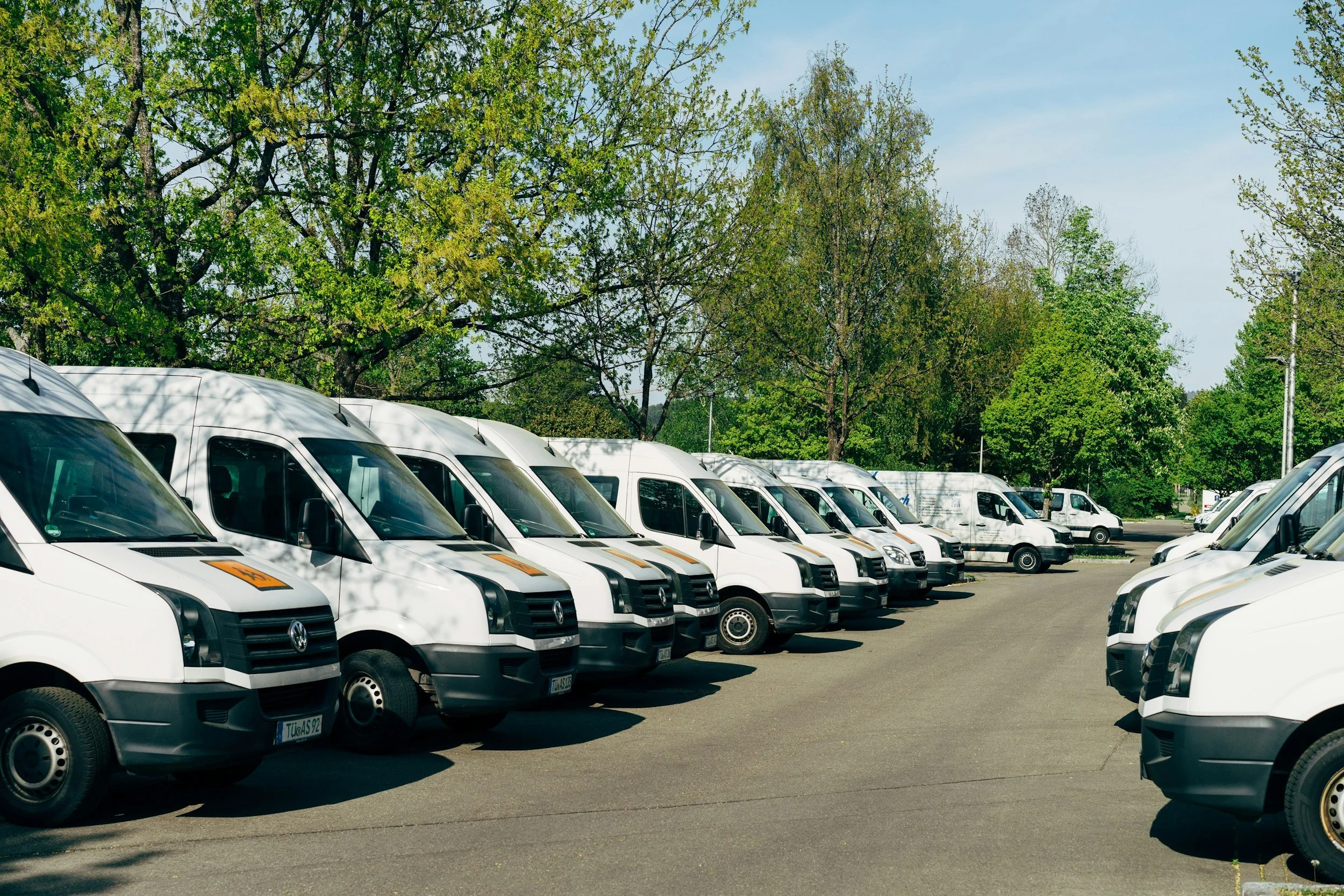
If your business owns or operates vehicles as part of its operations, commercial auto insurance may be appropriate.
This can be particularly relevant for businesses that use vehicles to:
Deliver products to customers
Transport equipment or inventory
Make service calls
Pick up or transport materials
Operate a fleet of business vehicles
A business-owned vehicle generally should not simply be added to a personal auto policy without first determining whether the vehicle’s ownership and use are appropriate for personal coverage.
Other Coverages Your Business May Need
The coverages above are common considerations for retail businesses, but they are not an exhaustive list. Depending on your business, you may also want to consider:
Professional Liability Insurance, also known as Errors & Omissions (E&O), for businesses providing professional services or advice
Cyber Liability Insurance if your business handles sensitive customer information, payment data, or other digital risks
Employment Practices Liability Insurance (EPLI) for certain employment-related claims
Commercial Property Insurance if your business has property exposures that require coverage beyond a standard BOP
Liquor Liability Insurance if you operate an eligible businesses that sells or serves alcohol
Surety Bonds when a license, contract, government agency, or other party requires a bond
Special Events Insurance if your business hosts or participates in eligible events
The appropriate combination depends on your business model, contracts, property, employees, vehicles, and other circumstances.
Let’s Talk About Your Business
Tell me a little about your retail business, what you are planning, and where you are in the process. We can discuss the types of coverage that may be relevant and determine what makes sense as a next step.
Complete the brief form below, and I’ll review your information and follow up within two business days.
Insurance coverage, eligibility, limits, exclusions, and requirements vary by business and policy. Carrier appointments, underwriting requirements, product availability, and eligibility also vary by state and by individual risk.
This page is provided for general informational purposes and is not a substitute for reviewing the specific requirements applicable to your business.